
case studies
from €3M of off-brand videos to a system that actually sells
00
problem
What better way to sell, than to tell a story. Even better when it's our customer telling them. When we produce case studies, we invite our customers to have them tell their story to help us show how these problems can be solved. Unfortunately our case study production was all over the place. Costs ranged from €20k to over €100k per video, with no clear logic behind who got what budget. The result was inconsistent work, sometimes off-brand, often expensive, and rarely strategic. Less than half of what we were producing was on-brand. Worse, the stories we were telling didn't always match the verticals we were trying to win.
solution
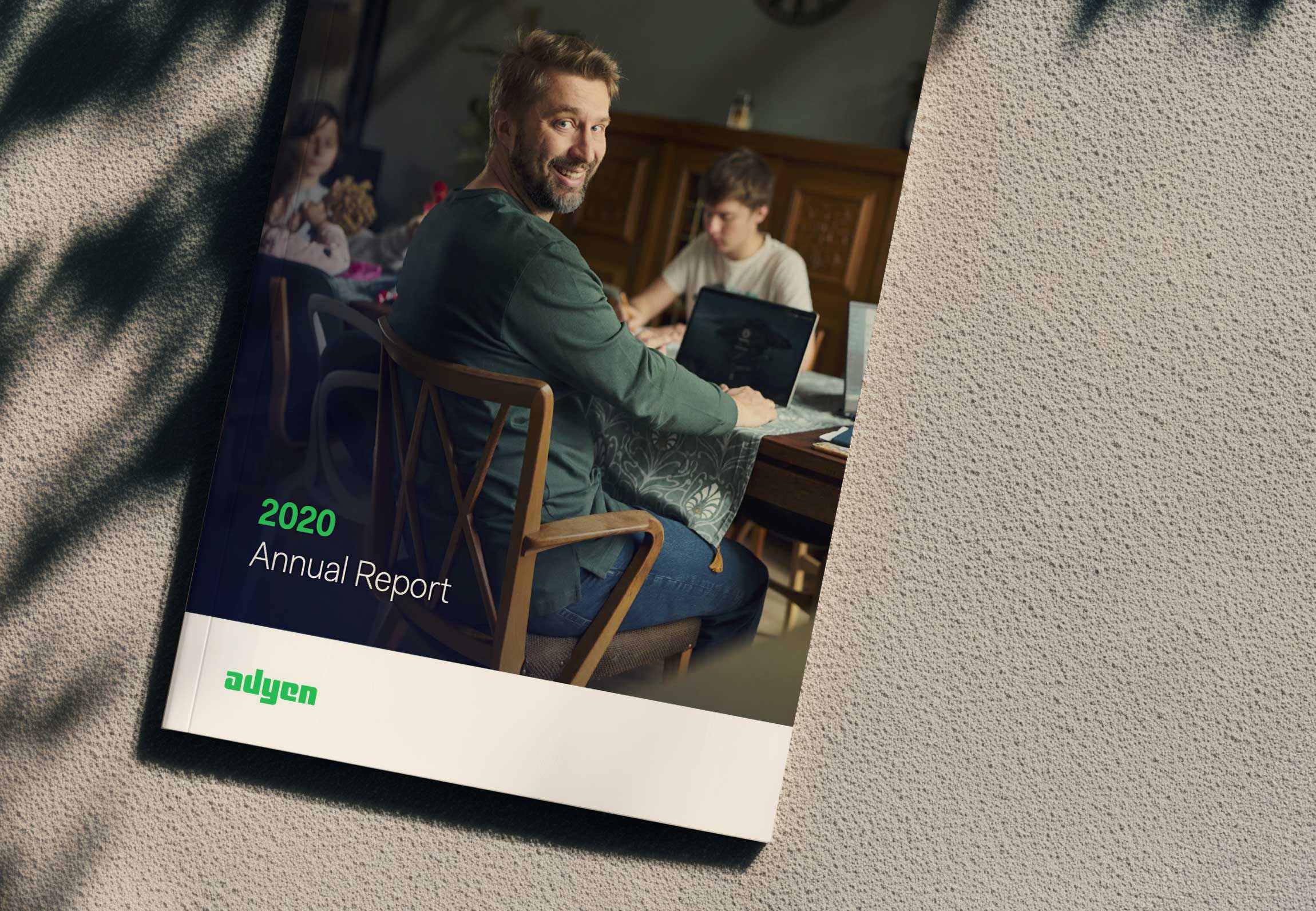
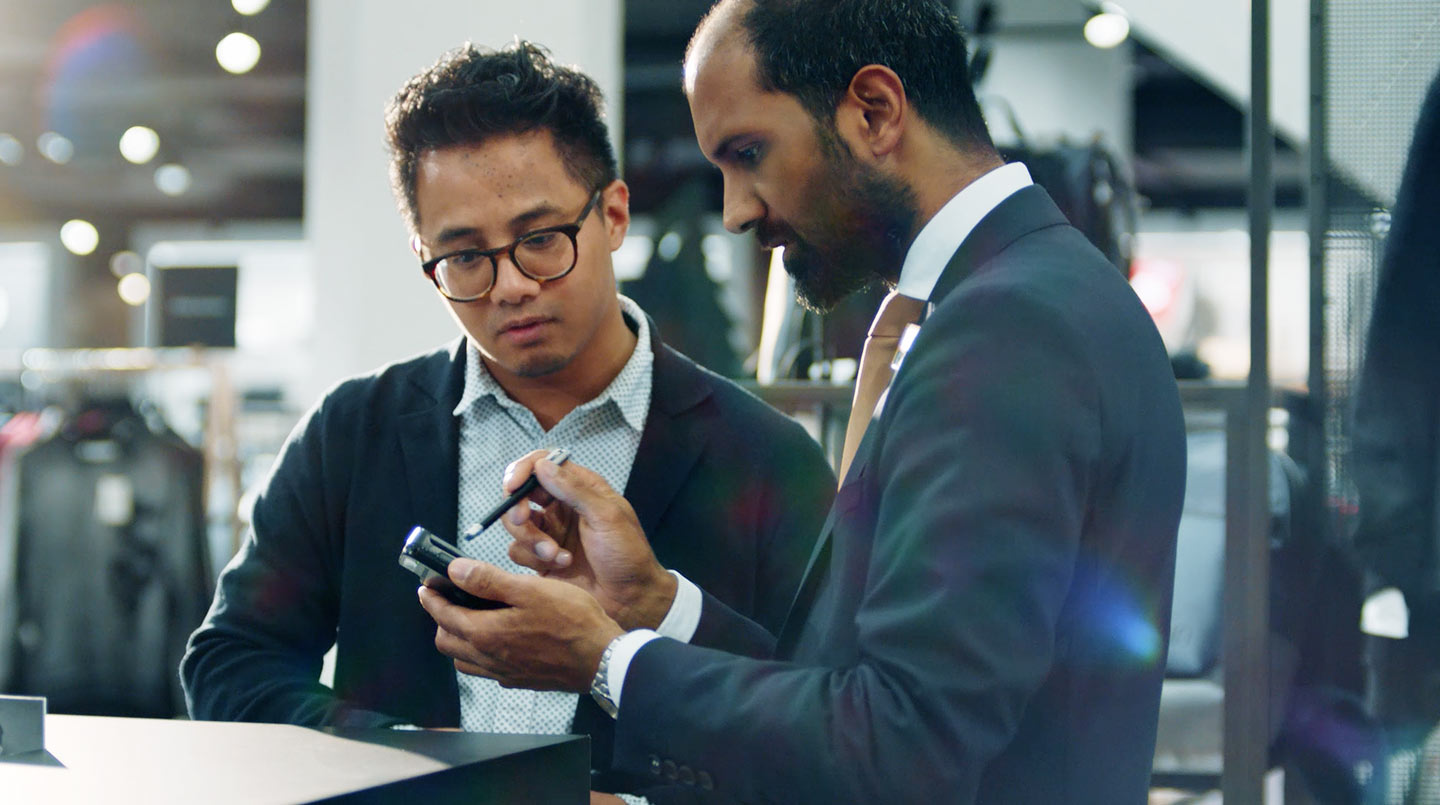
The fix wasn't to spend less, it was to spend smarter. I built a tiering system that matched investment to impact: written case studies with data visualizations for lower-tier stories, talking-head video for the middle tier, and a full video with a dedicated landing page for the highest-priority verticals. Every euro went where it mattered most. The numbers moved fast. Total spend dropped from over €3M to €600k annually. On-brand output went from less than 40% to 100%. Time on page for the top-tier landing pages jumped from 0:34 to 2:09. Production time per case study dropped 30%. And the sales team started closing deals with enterprise clients off the back of the new videos.
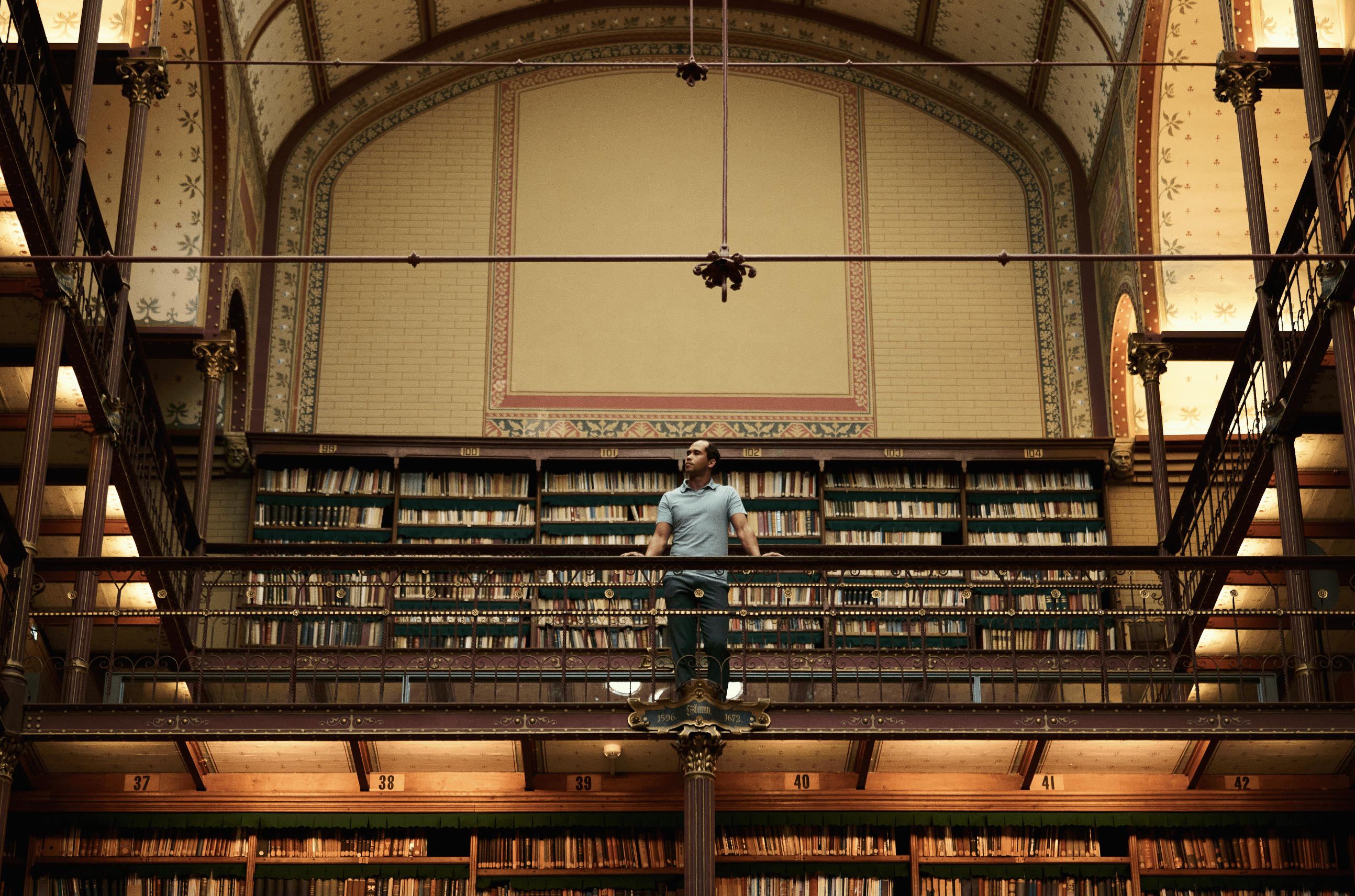
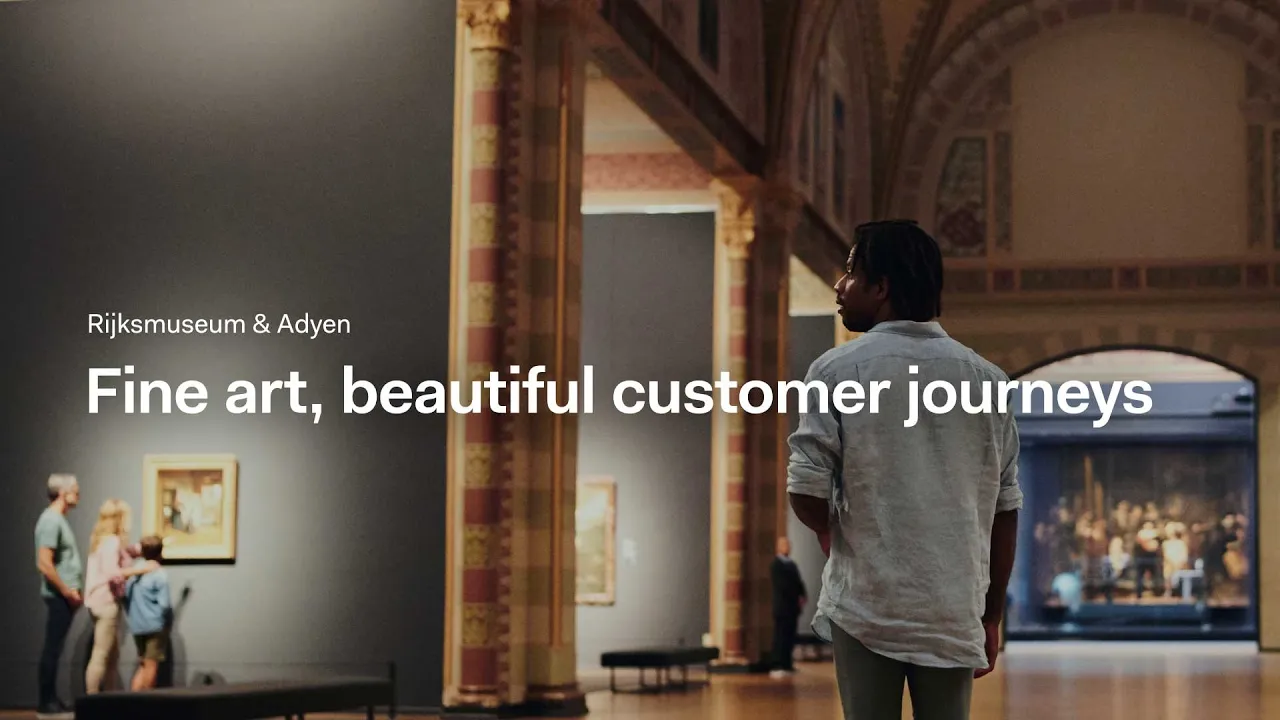
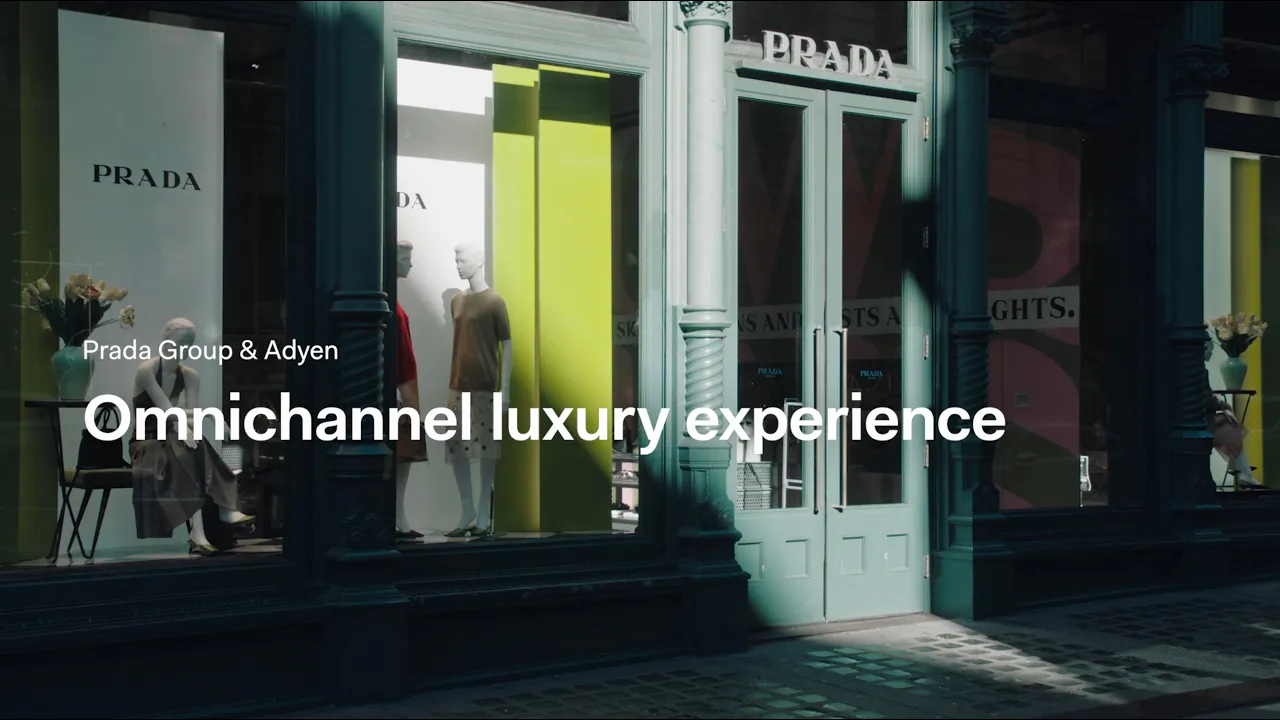
Case studies in fintech have a specific job to do that goes beyond marketing. We're operating in a technically complex industry, and the gap between what Adyen's platform actually does and what a CFO or Head of Payments understands it to do can be significant. Case studies are one of the few formats that can bridge that gap. Not through our words, but through our customers'. There's no more credible proof point than a business like Prada or the Rijksmuseum explaining in plain language what the technology did for them.

Getting there required more than a tiering system. It meant giving our account management teams a clear framework, they finally knew when to request what, and could set proper expectations with clients from the start. No more awkward conversations about why one customer got a full video production and another got a PDF. The system gave everyone clarity, and that clarity showed up in the work.
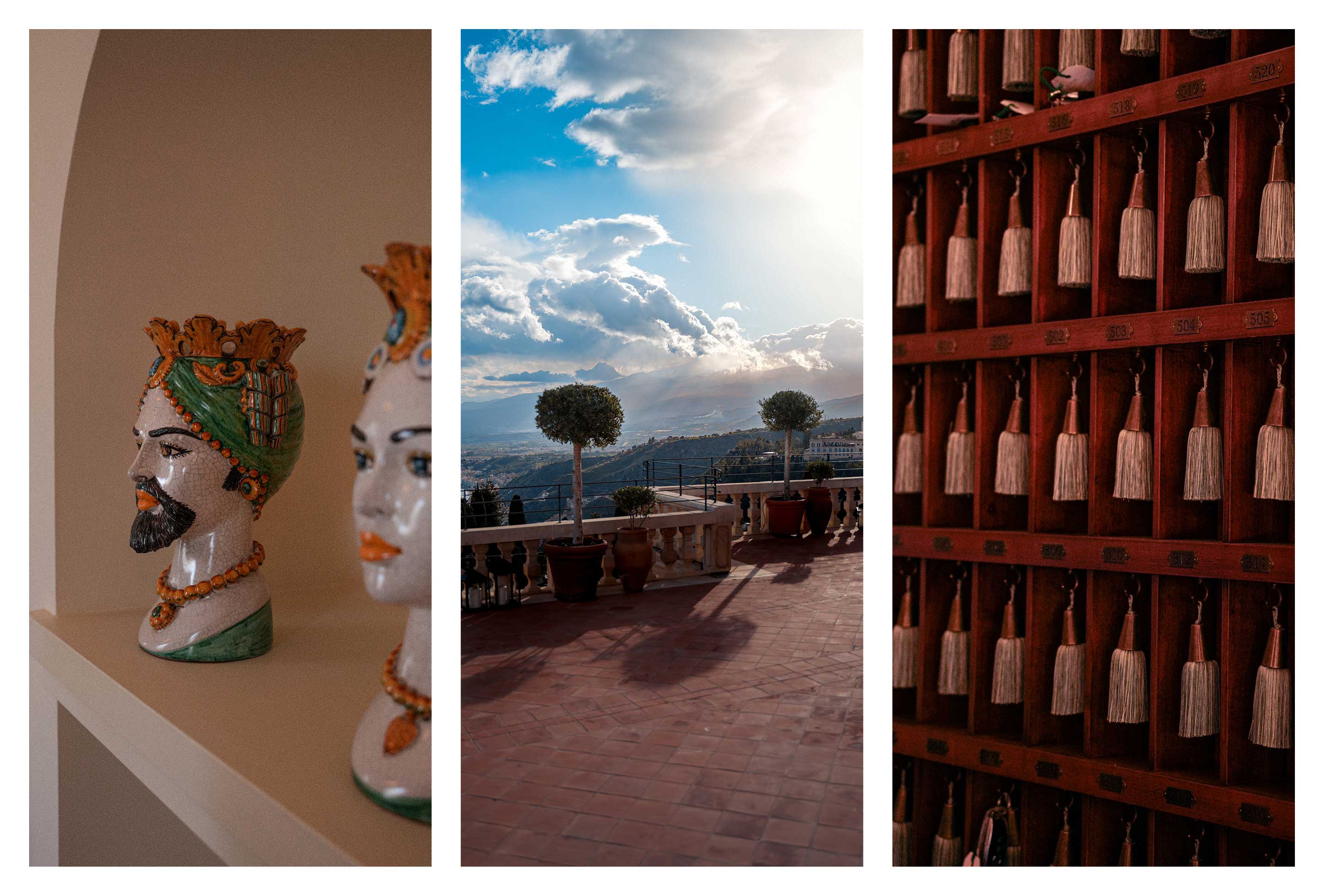
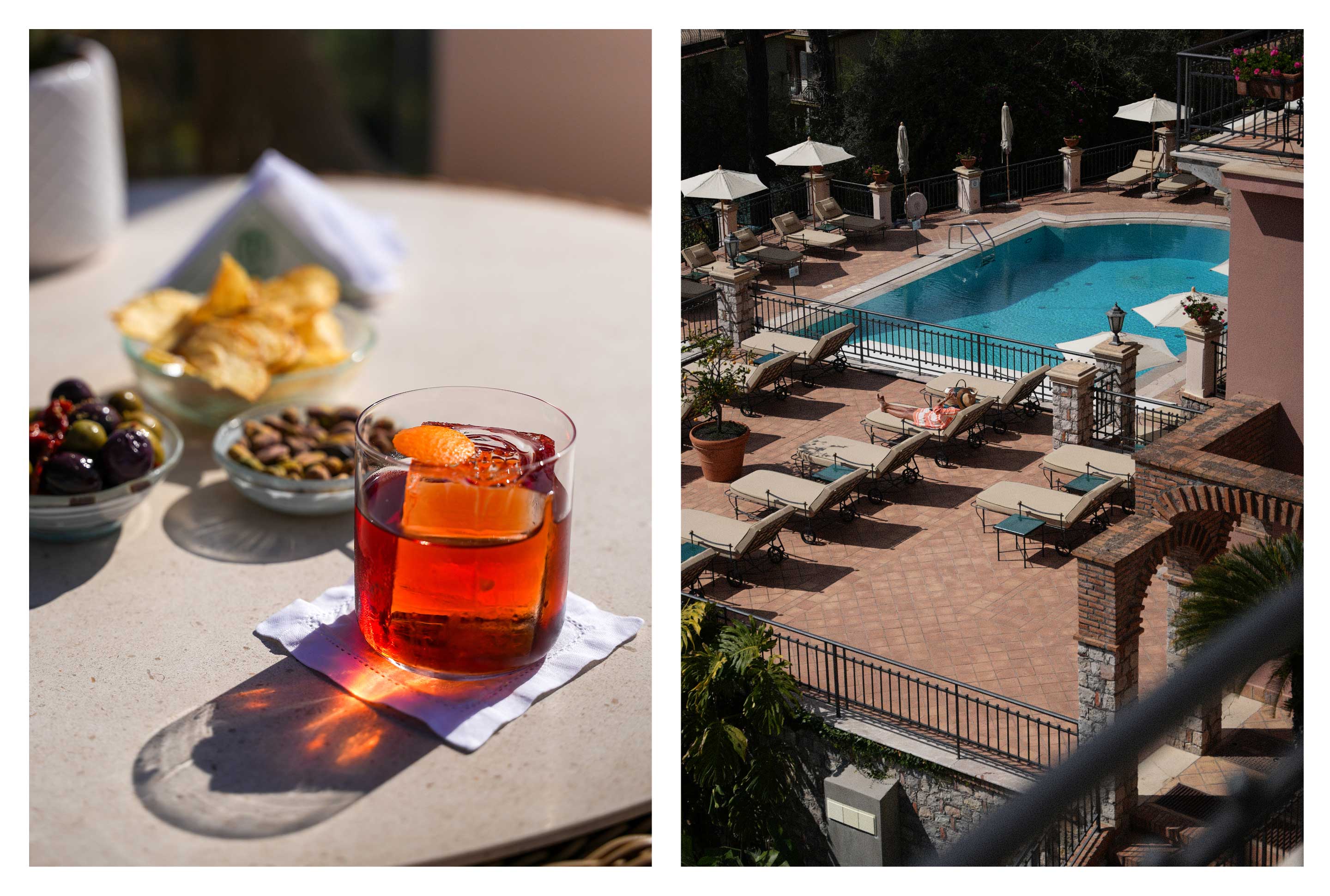
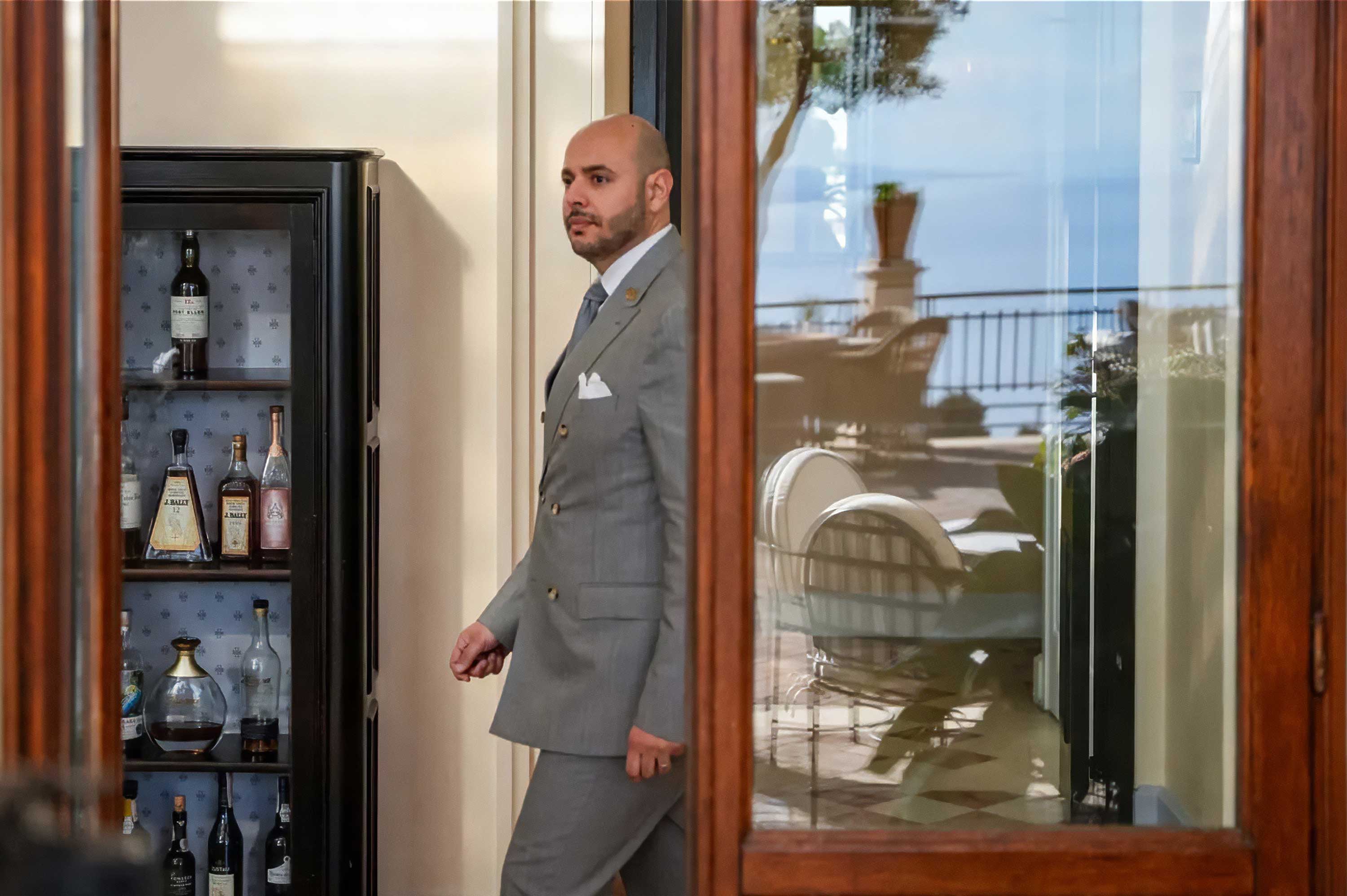
The Belmond case study was the moment I got to prove the whole thesis myself. I took on the role of director and producer — a lean team of five: two videographers, a copywriter, myself as director/producer/photographer, and a marketer who doubled as the hotel guest. I wrote the B-roll script, briefed and directed the videographers on the day, and shot the photography myself on-site. While we were there, our copywriter sat with the client's C-suite, pulling live data directly from their dashboard to use in the piece. No post-production scramble. No waiting weeks for numbers that might not land.
The whole production came in around €20k. For context, comparable work had previously cost multiples of that. Everything I'd absorbed over years of working alongside production agencies, photographers, and video professionals, I applied it here, in one shoot, with a fraction of the usual resources. What came out was a rich case study: a strong interview, real data, and a proper video. It proved that this kind of work doesn't have to be expensive. It just needs the right strategy, the right people, and someone who actually knows what they're doing walking into the building.
year
2019-2025
timeframe
16 days
tools
Framer
category
Content strategy
▶ VIDEO
01
02
03
04
05
▶ VIDEO
▶ VIDEO
▶ VIDEO

▶ VIDEO